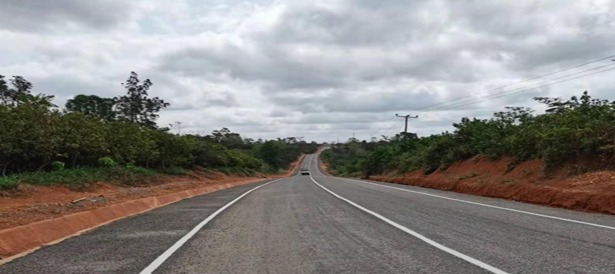
Geometric Design of Roads
The full geometric design module for low volume roads (estate streets design is by the DTM module). Set the design speed, terrain class and standard, and the engine fits the horizontal alignment with superelevation and runoff lengths. It builds the vertical profile with crest and sag curves checked for stopping sight distance, and generates cross sections and side drains at every station. The earthworks and haulage go straight to the estimator, and the setting-out data is ready for the field.
Design-speed-driven horizontal and vertical alignment for low volume roads — superelevation, transitions, sight distance and earthworks.
Design-speed-driven horizontal and vertical alignment for low volume roads — superelevation, transitions, sight distance and earthworks.
All applicationsfrom $25/month
One subscription, monthly or annual, unlocks every BESPA application. 7 days free, cancel any time. The demo on this page is free to try.
Built for the real job.
Horizontal alignment
Tangents and circular curves fitted to the design speed, with minimum radii and superelevation by the chosen standard. Each curve gets its runoff (transition) length and TS-SC-CS-ST stations.
Vertical alignment
Grades within the standard's maximum and minimum, crest and sag curves sized by K for stopping sight distance, and culvert cover held at every crossing.
Cross sections
Carriageway, shoulders, side slopes, drains and side ditches generated at every station over the terrain surface.
Sight distance verification
Every curve is tested for the sight-line offset that stopping sight distance needs. Failures are reported, not smoothed over.
Earthworks balance
Cut, fill, reuse, borrow and spoil from the cross sections. Reuse haul is worked out from the cut and fill centroids beyond a 1 km free haul, and borrow overhaul at the haul distance the Engineer enters.
Quantities for pricing
Design earthworks and haulage are handed to the Road BOQ Estimator and priced by both of its engines, with haul billed in the E900 distance bands.
Side drains
Side drains designed section by section along the profile, then drawn and billed.
Standard by road type
Choose the design standard by road type from six. When an audit gate fails, the design is revised automatically, up to seven times, before the gate reports what still fails.
Four steps, start to drawing.
- 01Import the survey or terrain surface and the road corridor.
- 02Set design speed, terrain class, standard and cross-section template.
- 03Fit the horizontal and vertical alignment and review the sight-distance checks.
- 04Export the setting-out data, drawings and survey plan DXF, and hand the earthworks and haulage to the estimator.
What you take away.
- →Horizontal and vertical setting-out tables
- →Plan, profile and cross-section drawings (PDF)
- →Layered survey plan DXF
- →Sight-distance and standards check report
- →Earthworks and haulage summary
Bespa Expert Systems output is preliminary design intended for feasibility studies and scheme development. National road design standards vary — the applied standard is stated on every report, and a professional engineer must independently check and sign off the design before it is issued for construction.
Road BOQ Estimator
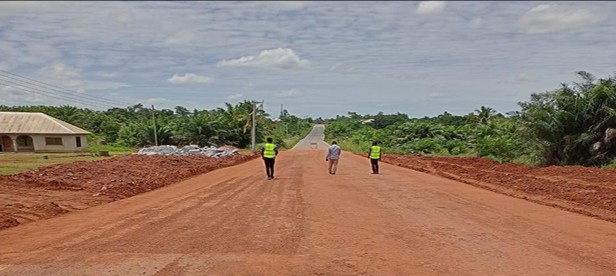
A complete CESMM4-coded bill for a low volume road in minutes — checked by two independent engines that must agree before it is issued.
Box Culvert Design (AASHTO)
Design, check and draw reinforced concrete box culverts of one to four cells to AASHTO LRFD — every face reinforced, the outlet protected against scour, and the quantities written as per the Road BOQ Estimator's (a separate module) bill items.
Questions on geometric design of roads?
Write to Dr. Kwasi Osafo Ampadu, or use the feedback form on the home page.
Emailinfo@bespa.online